
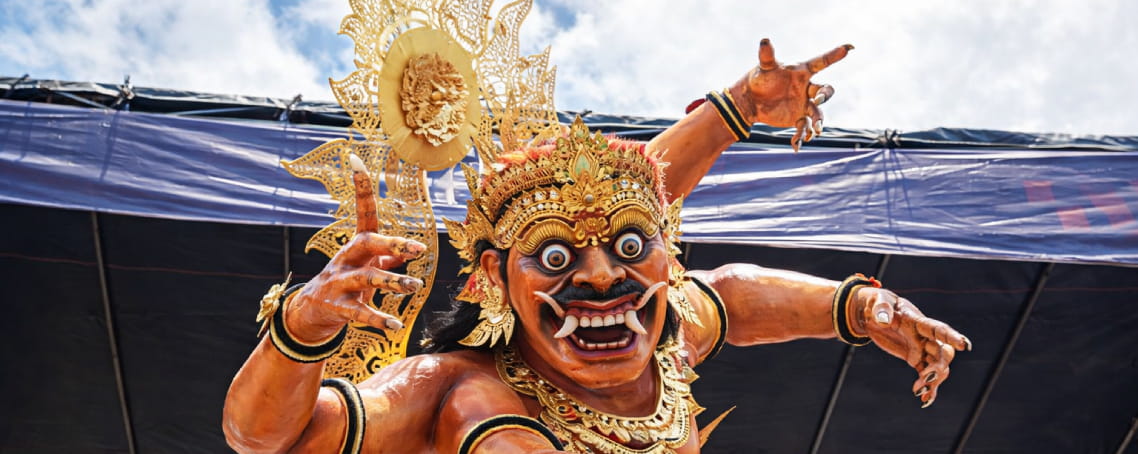
Key Takeaways
- The Ogoh-Ogoh Parade 2026 marks the eve of Nyepi, Bali’s Day of Silence, typically in March.
- These giant effigies symbolize negative spirits and are paraded to cleanse the island.
- Experience the vibrant cultural spectacle and understand what is Ogoh-Ogoh‘s deep spiritual significance.
- Plan your visit strategically to witness this unique Ogoh-Ogoh festival safely and respectfully.
As the tropical sun sets on Bali, a unique and awe-inspiring spectacle prepares to unfold: the Ogoh-Ogoh Parade 2026. This vibrant Ogoh-Ogoh festival, a cornerstone of Balinese Hindu culture, offers visitors and locals alike a profound glimpse into the island’s spiritual heart. If you’re wondering what is Ogoh-Ogoh and why it’s such a significant event on the island of the gods, particularly in Ogoh-Ogoh Bali, prepare to be enlightened. The elaborate procession of these giant, monstrous effigies, known as Ogoh-Ogoh, is not merely a parade; it is a powerful ritual of purification held on the eve of Nyepi, the Day of Silence.
Understanding What is Ogoh-Ogoh: Symbolism and Purpose
The heart of the Ogoh-Ogoh festival lies in its profound spiritual meaning. Ogoh-Ogoh are artistic creations representing Bhuta Kala, malevolent spirits, and negative forces from Hindu mythology. These demonic figures embody everything disruptive and harmful to humanity and the natural world. The purpose of parading these colossal effigies is to attract these negative entities and then, through a ritualistic procession and subsequent burning, purify the island from their influence. This powerful cleansing act prepares Bali for Nyepi, the Day of Silence, a day dedicated to introspection, meditation, and complete stillness, allowing the universe to reset.
The Ogoh-Ogoh serve as a visual manifestation of Bali’s collective spiritual effort to maintain harmony and balance against the forces of chaos and negativity.
Each Ogoh-Ogoh is a unique masterpiece, reflecting the creativity and beliefs of the local community, or banjar. While often grotesque and fearsome, their artistic detail is breathtaking, showcasing the intricate craftsmanship and devotion of their creators.
Behind the Spectacle: Crafting the Giants for the Ogoh-Ogoh Festival
The creation of an Ogoh-Ogoh is a months-long endeavor, primarily undertaken by the Sekaa Teruna, the youth organizations of each banjar. This communal effort fosters creativity, teamwork, and preserves cultural heritage among the younger generation. From initial sketches to the final brushstrokes, every step is a labor of love and dedication. Traditionally constructed from bamboo and paper, modern Ogoh-Ogoh often incorporate styrofoam, fiberglass, and even intricate mechanical elements that allow parts of the effigy to move during the parade, adding to the spectacle.
Traditional vs. Modern Ogoh-Ogoh Themes
| Aspect | Traditional Ogoh-Ogoh | Modern Ogoh-Ogoh |
|---|---|---|
| Inspiration | Hindu mythology (Bhuta Kala, Raksasa), epic tales (Ramayana, Mahabharata) | Contemporary social issues, political satire, pop culture, environmental concerns, sometimes with traditional elements |
| Materials | Bamboo, paper, natural pigments | Styrofoam, fiberglass, synthetic paints, LED lights, complex mechanisms |
| Message | Purification from evil spirits, upholding dharma | Social commentary, awareness, artistic expression alongside purification |
The themes vary wildly, from terrifying demons of ancient lore to satirical depictions of modern social ills, all crafted with incredible detail and often humor. This blend of tradition and contemporary expression makes each Ogoh-Ogoh festival a dynamic and evolving cultural event.
Witnessing the Ogoh-Ogoh Parade 2026: A Guide to the Celebration
The Ogoh-Ogoh Parade 2026 will undoubtedly be one of the most anticipated cultural events in Bali. As Nyepi in 2026 falls on March 19th, the grand parade will take place on the evening of March 18th. Streets across the island, especially in populated areas like Kuta, Seminyak, Sanur, and Ubud, transform into vibrant stages for these colossal figures.
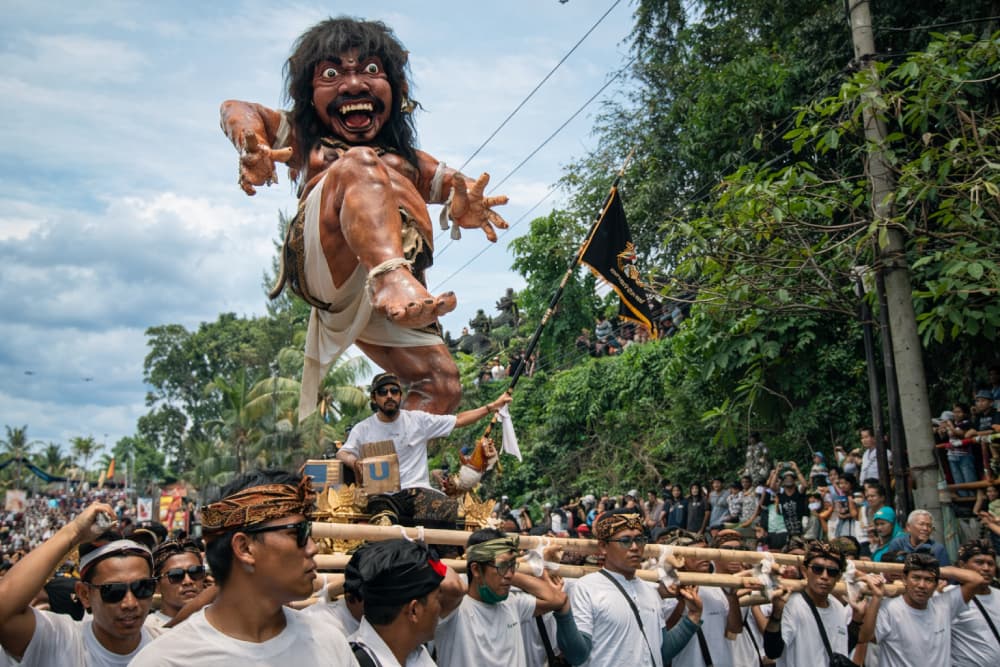
Tips for a Respectful and Enjoyable Experience:
- Arrive Early: Find a good vantage point along the main roads, as crowds can be significant.
- Respect Local Customs: Dress modestly, especially if you plan to visit temples or interact closely with locals.
- Stay Hydrated: Bali’s climate is warm and humid.
- Be Aware of Your Surroundings: Parades can be boisterous with loud gongs and drums, and the Ogoh-Ogoh are often rotated vigorously to disorient the spirits. Maintain a safe distance.
- Post-Parade Silence: Remember that the day after the parade is Nyepi, the Day of Silence. All activity ceases, shops close, and movement is prohibited for 24 hours. Plan your transportation and food accordingly.
The parade culminates with the burning of the Ogoh-Ogoh, a symbolic act of banishing evil and purifying the island for the sanctity of Nyepi. It’s a truly unforgettable experience that underscores the deep spiritual commitment of the Balinese people.
Essential Tips for Enjoying the Ogoh-Ogoh Bali Experience
Experiencing the Ogoh-Ogoh Bali festival requires a bit of planning, especially given its proximity to Nyepi. Accommodation bookings around this time can fill up quickly, and transportation on the eve of Nyepi can be challenging as roads begin to close down for the parade. Understanding the local customs and respecting the solemnity of Nyepi that follows is paramount for any visitor.
To truly immerse yourself in the culture and effortlessly navigate events like the Ogoh-Ogoh Parade 2026, thoughtful planning is paramount. Securing comfortable accommodation, arranging reliable transport, and understanding local customs can transform a good trip into an unforgettable journey.
For a truly seamless and enriching experience of Bali’s cultural wonders, including pivotal events like the Ogoh-Ogoh Festival, consider engaging expert local services to handle your arrangements.
This ensures you can focus entirely on the spectacle and spiritual depth, rather than the logistics, making your visit to the Ogoh-Ogoh parade a truly memorable one.
Frequently Asked Questions (FAQ)
When is the Ogoh-Ogoh Parade in 2026?
The Ogoh-Ogoh Parade 2026 will take place on the eve of Nyepi, the Balinese Day of Silence. Nyepi in 2026 falls on March 19th, so the parade will be on March 18th.
What is the significance of the Ogoh-Ogoh?
The Ogoh-Ogoh effigies represent Bhuta Kala, malevolent spirits and negative forces. The parade and subsequent burning ritual are symbolic acts of purification, cleansing the island of these negative elements before the spiritual introspection of Nyepi.
Can tourists attend the Ogoh-Ogoh festival?
Yes, tourists are welcome and encouraged to witness the Ogoh-Ogoh festival. It’s a fantastic opportunity to experience authentic Balinese culture. However, respectful observation is crucial, and visitors should adhere to local customs and directions from community leaders.
Where are the best places to see the Ogoh-Ogoh Parade in Bali?
The Ogoh-Ogoh Parade is held across almost every village and banjar (community unit) in Bali. Popular tourist areas like Kuta, Seminyak, Sanur, and Ubud often have large, spectacular parades. For an authentic local experience, venturing into smaller villages is also rewarding.
What happens after the Ogoh-Ogoh parade?
After the parade, the Ogoh-Ogoh effigies are typically taken to a cemetery or a designated open area and burned. This act symbolizes the destruction of evil spirits and negative influences, ensuring the island is purified and ready for Nyepi, a day of complete silence, fasting, and meditation.