Every year, as the winds pick up across the Island of the Gods, the skies above Bali transform into a canvas of breathtaking color, movement, and sound. This is the season of the Bali Kite Festival, an annual tradition that is as much a sacred offering as it is a spectacular competition. In 2025, this beloved event will once again capture the hearts of locals and travelers alike.
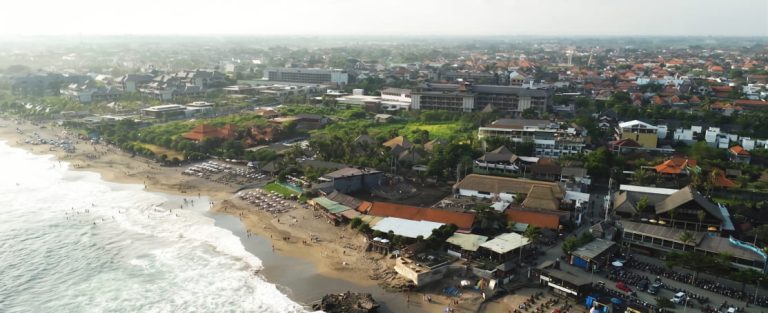
The 4th Bali Kite Festival is set to take place on July 26th and 27th, 2025, at the scenic Mertasari Beach in Sanur. This annual event, initiated by the Bali Kite Art Community (Komunitas Seni Layangan Bali), is a cornerstone of the island’s cultural calendar, where teams compete for the prestigious Governor of Bali’s Cup.
More Than Just a Festival: A Message to the Gods
At its heart, the Bali Kite Festival is a deeply rooted agrarian and religious tradition. Historically, the festival was intended to send a message to the Hindu deities, thanking them for the gift of a bountiful harvest and praying for future agricultural abundance. The kites, soaring high into the heavens, act as messengers, carrying the gratitude and hopes of the Balinese people.
This spiritual element is what sets the festival apart. It’s a vibrant, living expression of Bali’s unique cultural heritage, blending artistic skill with profound faith.
The Majestic Kites and Their Dedicated Teams
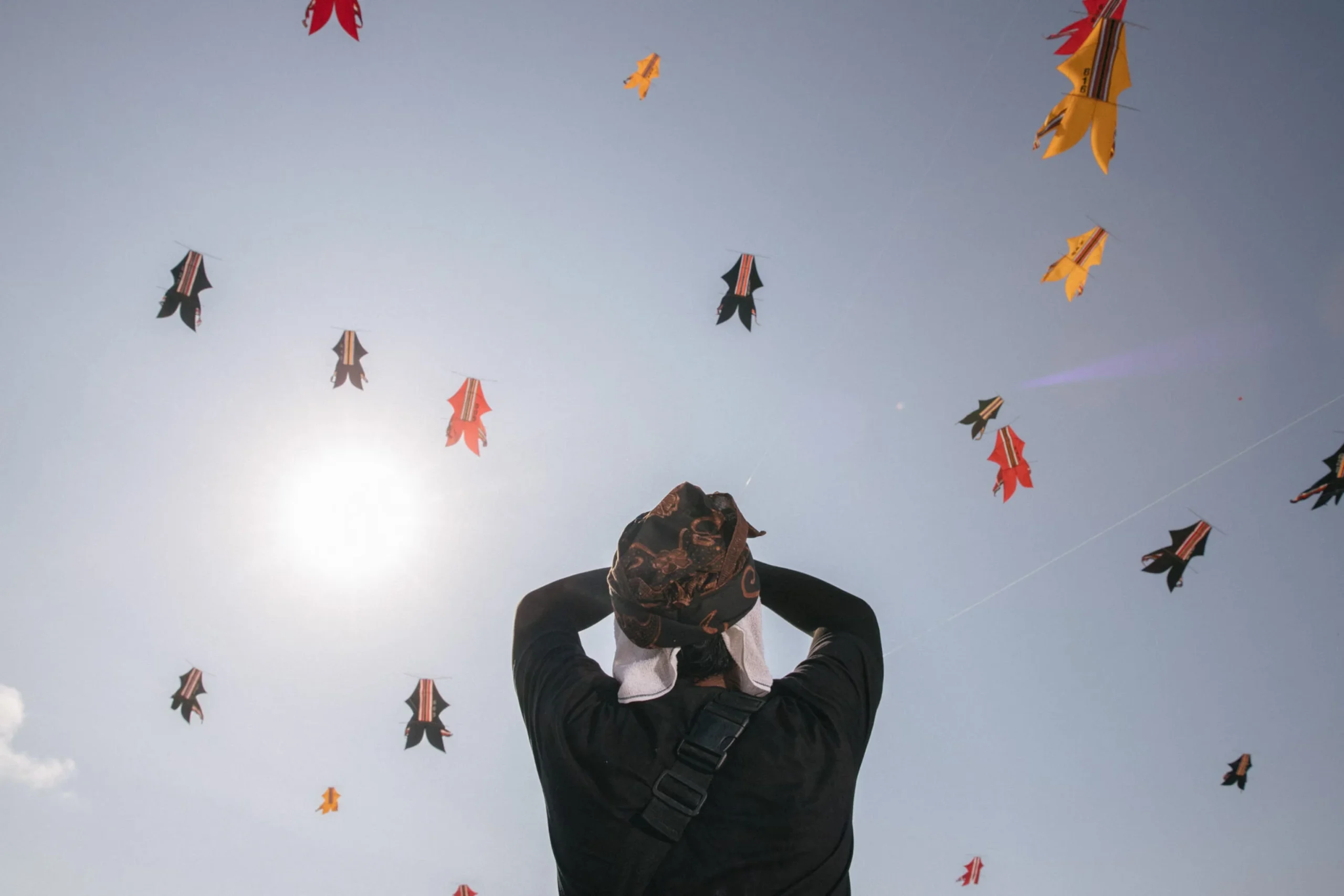
Prepare to be awestruck by the sheer scale of the kites. Traditional kites are gigantic, often measuring four meters wide and ten meters long. It takes a dedicated team of 70 to 80 people from each local village council (banjar) to manage a single entry. These teams are a spectacle in themselves, accompanied by their own Gamelan orchestra providing a thrumming, energetic soundtrack, as well as flag bearers who add to the ceremonial atmosphere.
Three main types of traditional kites dominate the sky during the competition:
- Bebean: Shaped like a broad-mouthed fish, the Bebean is often the largest and most common kite seen at the festival.

- Janggan: Perhaps the most dramatic, the Janggan is a bird-shaped kite featuring an ornate dragon’s head and an incredibly long ribbon tail that can stretch for over 100 meters, elegantly dancing in the wind.

- Pecukan: This leaf-shaped kite is considered the most challenging to fly, requiring immense skill to keep its unstable form airborne.

Alongside these traditional forms, a “New Creation” (Kreasi Baru) category allows for modern interpretations, with kites often depicting Hindu gods, mythological figures, or featuring contemporary and sponsored designs.
Preserving a Legacy for Future Generations
The festival is a passionate endeavor to safeguard a cherished tradition. According to the committee chairman, Gede Lanang Darma Wiweka, affectionately known as Mr. Botax, the enthusiasm for the 2025 event is immense, with over 130 teams already registered.
“The main goal of this festival is not just the competition, but to preserve the art and culture of Bali, especially the art of making and flying kites,” Mr. Botax stated. He emphasized the festival’s role as an educational platform for the younger generation, fostering a love and appreciation for their local culture.
This commitment to tradition is fully supported by the Governor of Bali, Wayan Koster, who has praised the consistent dedication of the artists and kite enthusiasts in maintaining this ancestral heritage. The event is more than just a competition; it’s a communal celebration of identity, creativity, and the enduring spirit of Bali.
For anyone visiting Bali in July, the Bali Kite Festival is an unmissable cultural experience. It’s a chance to witness a spectacular visual display, feel the powerful community spirit, and connect with a tradition that soars high above the beautiful shores of Sanur.